Social media has become one of the most visible communication channels for government agencies and nonprofits. It offers speed, reach, and accessibility. Yet many organizations still use social platforms as one directional broadcast tools rather than spaces for meaningful dialogue. Civic engagement in the digital age requires more than posting updates. It requires listening, responding, and creating opportunities for community …

Brand Building and Trust in the Public Sector: Why It Matters and How to Do It
When people hear the word “brand,” they often think of logos, taglines, and advertising campaigns. In the public sector, brand means something deeper. It reflects how an agency or nonprofit is perceived by the community it serves. It is shaped by every message, interaction, program experience, and public response. Brand building in government and nonprofit work is not about promotion. …
Crisis Communication in a Transparent World
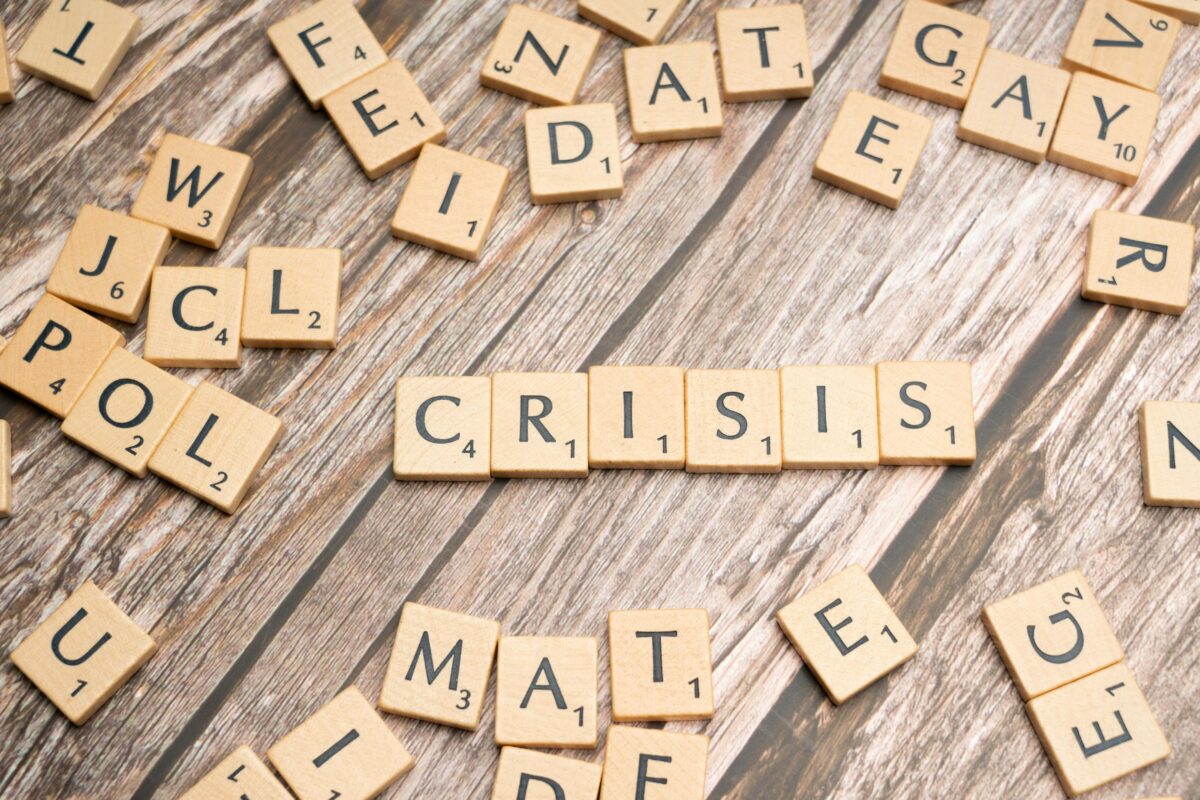
Crisis communication has changed dramatically in recent years. Information now moves instantly, audiences expect real time updates, and public trust can be influenced by a single post or headline. In this environment, government agencies and nonprofits are navigating crises in a world where transparency is no longer optional. It is expected. Whether the situation involves public safety, service disruptions, financial …
AI and Human Storytelling in Public Sector Communications
Artificial intelligence is becoming an increasingly common tool in public sector and nonprofit communications. From drafting content and analyzing data to monitoring engagement and identifying trends, AI can help organizations work more efficiently and make better informed decisions. At the same time, public trust depends on authenticity, empathy, and human connection. The challenge is not choosing between AI and human …
Visual Storytelling in Public Campaigns: Using Design to Drive Engagement
Public sector and nonprofit organizations communicate complex ideas every day. Whether the goal is to explain a new program, encourage public participation, or share critical information, clarity and engagement matter. Visual storytelling has become one of the most effective ways to meet those goals. Design is not decoration. In public campaigns, it is a strategic tool that helps audiences understand …
Partnering for Influence: How Agencies and Nonprofits Build Strategic Marketing Alliances
Government agencies and nonprofits face increasing pressure to communicate clearly, reach diverse audiences, and demonstrate impact with limited resources. In this environment, strategic marketing alliances have become an essential tool. When organizations partner thoughtfully, they can extend reach, strengthen credibility, and engage communities more effectively than they could alone. Strategic partnerships are not simply about sharing resources. They are about …
Accessibility in Digital Communications: Making Every Message Inclusive
Digital communication is one of the primary ways government agencies and nonprofits connect with the public. Websites, emails, social media, online forms, and digital documents are often the first point of contact for community members seeking information or services. If those communications are not accessible, entire segments of the population can be unintentionally excluded. Accessibility in digital communications is not …
Measuring Impact in Public Program Communications: From Outreach to Outcomes
For government agencies and nonprofits, communication is more than sharing information with an audience to reach a desired goal. It is an essential part of public service. Every message, campaign, and update plays a role in helping communities understand programs, access services, and trust the institutions that support them. But in an environment where resources are limited and expectations are …
Storytelling that Builds Trust: How Public Entities Can Communicate with Credibility
Public agencies and nonprofits operate in an environment where credibility matters as much as accuracy. Communities want to know what is happening, why decisions are being made, and how those decisions affect their daily lives. They expect communication that is honest, empathetic, and meaningful. One of the strongest ways to meet these expectations is through intentional, well crafted storytelling. Storytelling …
Preparing for 2026: Communications Trends for Government and Nonprofits
As government agencies and nonprofits prepare for 2026, communication strategies are entering a new era. Public expectations are shifting, technology is evolving rapidly, and organizations are being asked to engage their communities with more clarity, transparency, and empathy than ever before. Effective communication is no longer just about delivering information. It is about building trust, demonstrating accountability, and creating meaningful …
- Page 1 of 2
- 1
- 2